
When Lunar New Year rolls around, Lunar New Year pineapple tarts show up everywhere in Southeast Asia—on coffee tables, tucked in boxes, passed around during visits. They might look small and simple, but there’s a lot of work and tradition packed into each one, from the slow-cooked jam to the melt-in-your-mouth pastry. Every batch means something, not just in taste, but in what it represents. Many families take pride in baking what they consider the best pineapple tarts for their guests.
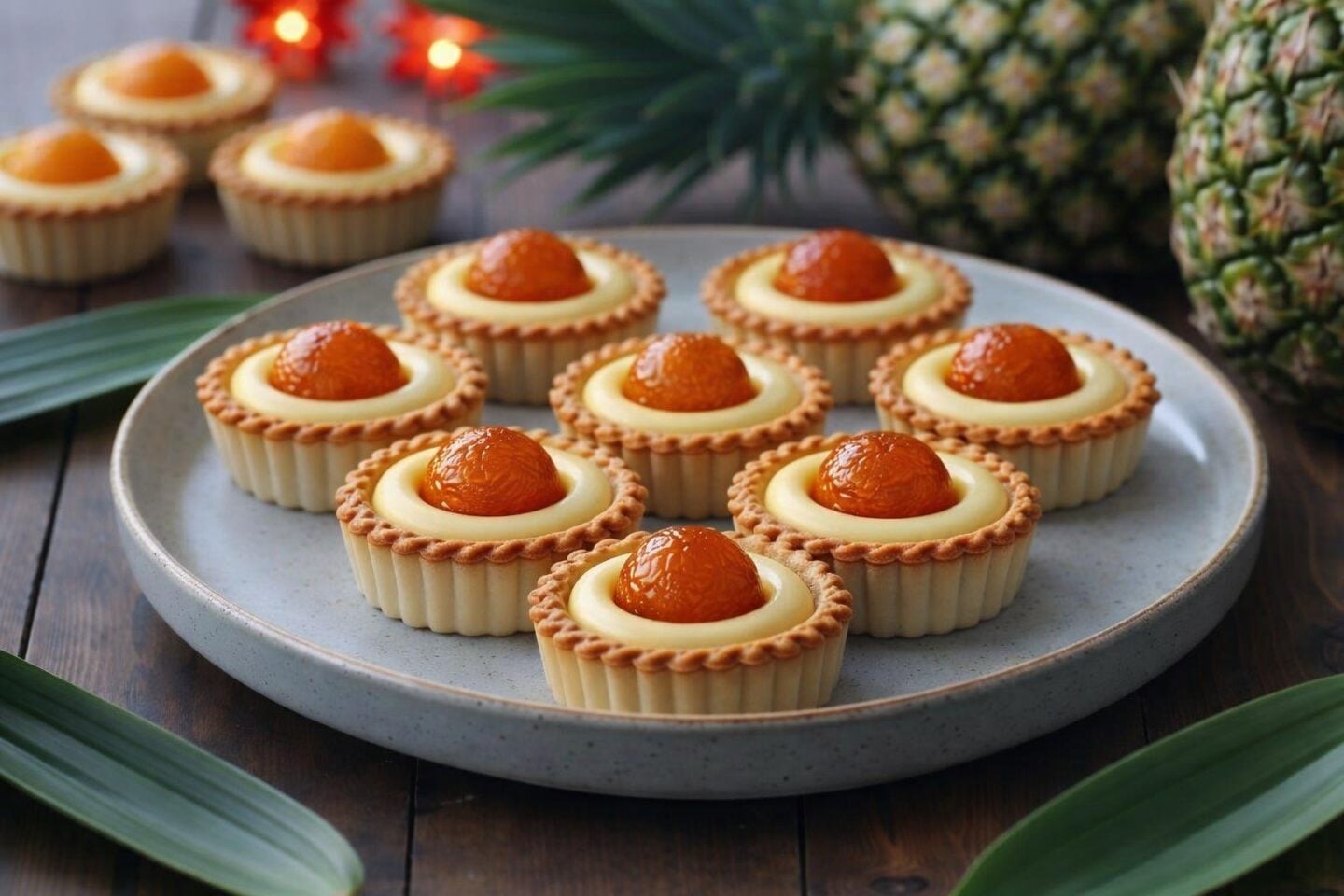
Lunar New Year pineapple tarts are these buttery, golden pastries stuffed with rich pineapple jam. They’re all about wishing for luck and prosperity in the year ahead. That first bite—crumbly shell, tangy-sweet filling—is honestly why so many families keep the tradition alive.
Curious what makes them special? You’ll get the rundown on the key ingredients, how the jam and pastry come together, and a few tips for making them look sharp and taste just right. It’s not rocket science, but a little know-how goes a long way, especially if you want to gift or share them.
Table of Contents
- So, What’s the Deal with Pineapple Tarts?
- What Goes Into a Great Pineapple Tart?
- Cooking Up That Pineapple Jam
- Getting the Pastry Just Right
- Lunar New Year Pineapple Tarts: The Recipe
- What Goes Into Making Pineapple Tarts
- Tips for Seriously Good Pineapple Tarts
- Fun Twists and Gifting Ideas for Pineapple Tarts
- Pineapple Tart Q&A—What People Actually Want to Know
So, What’s the Deal with Pineapple Tarts?
Pineapple tarts are a mainstay at Lunar New Year, and honestly, they’re kind of a big deal. They’re not just tasty—they’re layered with history, meaning, and a mash-up of baking styles from different places. There’s a reason people get so attached.
Where Did They Come From, Anyway?
Turns out, these tarts started popping up in Singapore and Malaysia. Local bakers took fresh pineapples, butter, and flour, and made something that fit both the festive mood and the local palate.
If you’ve ever visited a Peranakan home, you’ve probably seen them—cooks there blended European baking with Southeast Asian flavors. Over time, pineapple tarts became a must for New Year visits, gifts, and family baking days.
People still make the jam from scratch, usually a day ahead. It’s a bit of a project, but it’s all about showing care and hospitality around the holidays.
Why Pineapple? (And Why Now?)
There’s a good reason pineapple tarts are everywhere during Lunar New Year. In Hokkien, the word for pineapple—“ong lai”—sounds a lot like “prosperity comes.”
Plus, the jam’s golden color? It’s all about wealth and luck, so these tarts are a classic gift. Giving them is basically saying, “Here’s to a lucky, successful year.”
That’s why you see them everywhere as the season starts, but not so much at other times. They’re not just snacks—they’re a way to kick off the year on a hopeful note.
Different Takes, Same Heart
Depending on where you are, you’ll spot all kinds of shapes and textures. Some are open-faced and look like little flowers. Others wrap the jam up tight. The pastry can be crumbly or a bit more firm, and the filling might be smooth or have a little texture.
Here’s a quick cheat sheet:
- Singapore-style: crumbly, buttery pastry with a smooth jam
- Malaysia-style: firmer crust, chunkier filling
- Modern spins: sometimes you’ll find cheese, pandan, or even salted egg yolk mixed in
No matter the tweaks, it’s always about that buttery pastry and sweet-tart jam combo. The rest is just a bit of personality.
What Goes Into a Great Pineapple Tart?

You don’t need a ton of ingredients, but the ones you choose really matter. Each one changes the pastry’s texture, color, and how well it all holds up—especially when you’re baking for a crowd or packing them as gifts.
Pineapple: The Star of the Show
Pick ripe pineapples that smell sweet and have a good aroma. You want fresh fruit for the pineapple filling—it cooks down into a thick, punchy pineapple jam filling that’s way better than anything canned.
Most folks grate or finely chop the pineapple so it cooks down evenly. Add sugar and simmer it low and slow until it’s sticky and golden. Some people toss in a clove or cinnamon stick for a little warmth, but not too much—you don’t want to drown out the fruit.
Pro tips:
- Go for ripe fruit—underripe is just too tart.
- Cook until the jam’s thick enough to hold its shape.
- Let it cool before you try to roll it into balls.
Flour, Starch & All That Jazz
Your base is usually all-purpose flour. It gives the pastry enough structure without making it tough.
Adding cornstarch or custard powder makes the pastry more tender and crumbly—think shortbread, but softer. Custard powder also sneaks in a hint of color and a subtle dairy note. It’s not essential, but it’s a nice touch.
| Ingredient | What It Does |
|---|---|
| All-purpose flour | Gives shape and structure |
| Cornstarch | Makes it soft and crumbly |
| Custard powder | Adds color, a hint of flavor |
Butter & Eggs—The Secret to That Melt-in-Your-Mouth Texture
Cold unsalted butter is non-negotiable. You rub it into the dry mix until it’s sandy—don’t overdo it, or the dough gets greasy. The less you work it, the better.
Egg yolk brings richness and helps everything stick together. A quick brush of egg wash before baking gives the tarts that shiny, golden finish.
Quick reminders:
- Butter should be cold, not soft.
- Mix just until it comes together. Seriously, stop there.
- Chill the dough before shaping—trust me, it helps.
Sugar & a Few Extras
Sugar goes into both the jam and the pastry, but don’t go overboard. You want the pineapple to shine, not get lost in sweetness.
Icing sugar in the dough keeps things fine and tender. Vanilla extract is optional, but a drop or two adds a nice aroma.
Some go-tos:
- White sugar for the jam
- Icing sugar for the dough
- Vanilla for a little balance
Keep it simple and let the pineapple do the talking.
Cooking Up That Pineapple Jam
Honestly, the jam is where the magic happens. A batch of homemade pineapple jam is the secret to getting that authentic flavor. Fresh pineapple, cooked down with sugar and a touch of spice, turns into this thick, glossy pineapple jam that holds its shape and packs a punch.
Picking and Prepping Your Pineapple
Look for pineapples that feel heavy and smell sweet at the bottom. Skip any that are mushy or smell off. The riper, the better, since you’ll be cooking it for a while.
Peel, cut out the eyes, and ditch the tough core. Grate or finely chop the flesh—big chunks just don’t break down right and mess with the jam’s texture.
For one batch, you’ll need about 2 whole pineapples (roughly 4 pounds). If the fruit’s super juicy, drain off some liquid or you’ll be stirring forever. Too much water makes the jam bland and runny.
Let’s Get Cooking
Toss the pineapple, 1½ cups sugar, 2 cloves, and 1 cinnamon stick into a heavy pot. Bring it up to a simmer on medium, stirring now and then so nothing sticks.
It takes about 60 to 90 minutes to cook down. You’re looking for a deep golden color and a jammy texture that pulls away from the pan. If it starts to catch, turn down the heat—burnt jam is the worst.
Take out the spices when it’s done. Let the jam cool before you try to shape it—hot jam is a mess.
How do you know it’s ready?
- It holds its shape on a spoon
- Has a rich, golden color
- Smells sweet and fruity
Dialing in the Flavor
Cloves and cinnamon are nice, but go easy—they’re just backup singers. If your pineapple’s extra sweet, cut back on the sugar. If it’s tart, add a bit more. Taste as you go, especially near the end.
Want it smoother? Mash the jam as it cooks. Like some texture? Leave a few strands. If you can, let the jam sit overnight. The flavors mellow out, and it’s easier to handle when you’re rolling it into balls for the tarts.
Getting the Pastry Just Right
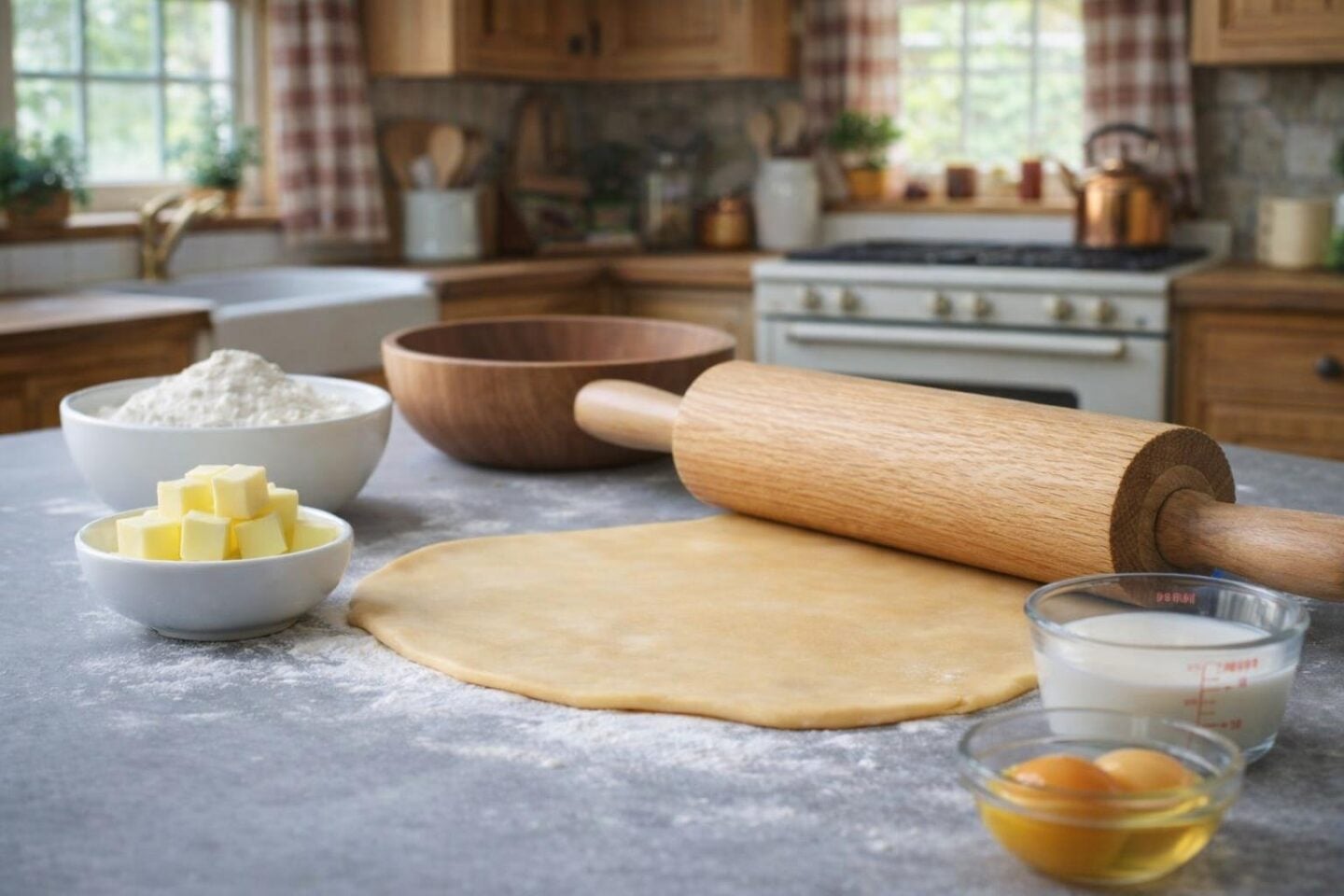
Let’s be honest—the pineapple tart pastry can make or break your tarts. You want it rich but not heavy, crumbly but not dry. It’s all about gentle mixing, the right ingredients, and keeping that butter cold.
How to Mix the Dough
Start by whisking together all-purpose flour, cornstarch or custard powder, and a pinch of salt. A little icing sugar helps everything blend smoothly.
Rub in cold, cubed butter with your fingers until it’s sandy and there are pea-sized bits left. Add egg yolk and vanilla, then drizzle in a bit of ice water—just enough to bring it together. Don’t overmix or you’ll lose that delicate crumb.
Wrap it up and chill for at least half an hour. Cold dough is easier to handle and bakes up with clean edges. No shortcuts here—it’s worth the wait.
Getting the Dough Just Right
Good pineapple tart dough? It’s got to be soft, but not sticky. When you press it, it should come together easily—no cracks, no fuss. If it falls apart, try adding a little water. Greasy? Sprinkle in a touch of flour.
Cornstarch gives a lighter, almost melt-in-your-mouth bite, while custard powder adds this subtle milky flavor and a gentle pale color. Both help keep things tender. Icing sugar dissolves quickly, so you get a finer crumb.
Here’s a quick way to check before you start shaping:
| Test | What You Want |
|---|---|
| Touch | Cool, smooth, not wet |
| Press | Holds shape, no cracks |
| Roll | No sticking or tearing |
Little Tricks for Buttery, Crumbly Pastry
Keep everything cold—especially the butter. If it gets too warm, it’ll melt fast and make the dough spread all over the place. Cut your butter into small cubes; it blends in quickly that way, without turning greasy.
Try working on a cool surface. Don’t knead too much—gentle is good here. If the dough gets soft, just pop it back in the fridge for a bit.
Measure flour with care. Too much and you’ll end up with dry pastry. Spoon it into your cup and level it off for best results. And stick to either cornstarch or custard powder, not both at once.
When they’re baked, you’re aiming for pastry that’s pale golden and feels light—not hard or dense.
Lunar New Year Pineapple Tarts: The Recipe
These tarts start with a rich, sticky pineapple jam and a soft, buttery crust. The jam takes a while, but you can always make it ahead and stash it in the fridge. The dough’s pretty chill—just keep it cold and it’s easy to handle. This pineapple tart recipe yields a perfectly balanced treat.
What You’ll Need
Pineapple Jam
- 2 ripe pineapples, finely chopped or grated
- 1 ½ cups sugar (taste and adjust as you like)
- 2 whole cloves
- 1 cinnamon stick
Pastry
- 2 ½ cups all-purpose flour
- ¼ cup cornstarch or custard powder
- 1 cup unsalted butter, cold and cubed
- 1 egg yolk
- 2–3 tablespoons ice water
- 1 teaspoon vanilla extract
- Pinch of salt
How To Make Them
- Put pineapple, sugar, cloves, and cinnamon in a heavy pot. Cook on low-medium for 60–90 minutes, stirring when you remember, until it’s thick and golden. Fish out the spices and let the jam cool.
- Mix flour, cornstarch, and salt in a bowl. Rub in the cold butter until it’s sandy and crumbly.
- Add egg yolk and vanilla. Drizzle in just enough ice water to form a soft dough. Chill for about 30 minutes.
- Roll dough to around ¼ inch thick. Cut into 2-inch circles.
- Spoon a teaspoon of jam in the center. Fold so the top’s open or seal them up—your call. Brush gently with egg wash.
- Bake at 325°F (165°C) for 20–25 minutes, until they’re just lightly golden.
Shape them by hand or use molds—whatever you’ve got. Let them cool so the pastry sets before you pack them up.
What Goes Into Making Pineapple Tarts
Here’s the gist: you pair a lush pineapple jam with a soft, buttery dough. Careful shaping, a light egg wash, and steady oven heat are what give these tarts their signature look and flavor.
Shaping and Getting Them Ready
First, chill your dough so it stays together while you work. Cold dough keeps its shape and bakes up even—kind of crucial for any pineapple tart recipe.
Roll out to about ¼ inch thick on a floured surface, then cut into small rounds, about 2 inches wide is standard.
Add 1 teaspoon of cooled pineapple jam to the center of each. You can fold the edges up and leave the jam peeking out (pretty common in Singapore and Malaysia), or seal the jam inside for a tidier look. Up to you.
Just make sure the jam’s thick and not runny. If it’s loose, it’ll leak and might burn during baking. That’s never fun.
The Egg Wash Step
Brush the tarts with egg wash right before they go in the oven. Usually, that’s egg yolk with a splash of water or milk.
Use a soft brush and go easy—a thin, even layer is all you need. Too much and you’ll get weird dark spots.
Egg wash gives the tarts a gentle golden sheen and a smooth finish. In Southeast Asia, folks tend to go for a pale look, not deep brown.
If your jam is exposed, skip brushing it. Egg on jam just burns and gets bitter. Yikes.
Baking—Don’t Rush It
Bake your tarts at a lower temperature, around 325°F (165°C). This slower bake keeps the pastry tender and stops it from getting too dark.
Give them 20 to 25 minutes, but keep an eye on the edges more than the tops. You want pale gold, not brown.
In Singapore and Malaysia, people love a soft, crumbly bite. If you’re baking in the US or Europe, ovens can run hotter, so you might need to tweak the time or lower the rack.
Let the tarts cool completely before moving them. Warm pastry is fragile and, honestly, breaks way too easily.
Tips for Seriously Good Pineapple Tarts
If you want your pineapple tarts to stand out, pay attention to moisture, temperature, and timing. Tiny tweaks in how you cook the jam, handle the dough, or store the tarts can really change the final bite.
What Can Go Wrong? (And How to Fix It)
Most issues start with the jam. If it’s watery, just keep cooking until it thickens up. Wet jam will make your pastry soggy and leak everywhere.
Don’t overwork the dough. If the butter gets warm, the dough turns greasy and tough to shape. Chill for at least 30 minutes, and stop mixing as soon as it comes together.
Bake at moderate heat. Cranking the oven up will brown the outside too fast and leave the inside raw. Stick to 325°F (165°C) and look for pale gold, not dark brown.
Quick fixes
| Problem | Likely cause | Fix |
|---|---|---|
| Jam leaks | Jam too wet | Cook longer and cool fully |
| Tough pastry | Overmixed dough | Mix gently and chill |
| Flat flavor | Underseasoned jam | Add back cloves or cinnamon |
Keeping Tarts Fresh
Let your tarts cool completely before packing them up. If you rush this, trapped heat makes steam and softens the pastry.
Store in an airtight container at room temp for up to 5 days. Keep them dry and out of direct sun. Skip the fridge—cold air just makes them hard and sad.
You can freeze unbaked tarts, too. Lay them out on a tray, freeze, then pop into a bag for up to 1 month. Bake straight from frozen, adding 3–5 minutes to the bake time.
If you want to save time, make the jam ahead. Well-cooked pineapple jam keeps in the fridge for up to 1 week.
Serving and Showing Off
Serve pineapple tarts at room temp. Cold pastry hides the buttery flavor and mutes the jam’s aroma—kind of a waste, honestly.
Keep the finish simple. A light egg wash gives a gentle shine, not a thick glaze. For open-face tarts, keep the jam centered so it doesn’t spill over the edges.
Arrange tarts in small groups on a plate. If you pile them up, you lose the pretty shapes and colors. For gifting, line the box with parchment and lay the tarts in a single layer. Looks way nicer.
These little touches help your tarts taste balanced and look sharp, which really matters if you’re aiming to impress during Lunar New Year.
Fun Twists and Gifting Ideas for Pineapple Tarts
While many enjoy baking pineapple tarts for Chinese New Year, there’s no rule against mixing things up. New flavors, shapes, and creative packaging can make them feel fresh and personal—plus, they’re great for gifting.
Modern Flavors to Try
It’s easy to tweak a pineapple tart without losing its spirit. A lot of bakers cut back on sugar to let the fruit shine, or toss in extra spices like cinnamon and clove for more warmth.
You can also blend in other flavors. Salted egg yolk is super trendy, while matcha or cranberry bring a new twist. Some folks use extra-buttery pastry or add custard powder for a softer bite.
Whatever you do, keep the jam thick and dry. That way, your tarts hold their shape and bake up just right.
Modern flavor ideas
- Pineapple with salted egg yolk
- Pineapple and lychee
- Pineapple with matcha pastry
- Pineapple with a hint of spice
Shaping and Decorating—Have Fun With It
Shape totally changes the vibe. Open-face tarts show off the jam and bake a little quicker. Fully wrapped tarts keep the filling safe and travel better. Pick what fits your plans.
Decorating doesn’t have to be fancy. Floral molds give a traditional look, hand-pinched edges feel homemade, and a light egg wash adds shine without making them too dark.
Keep them bite-sized—easier for sharing and just more fun to eat, right?
Popular shapes and when to use them
| Shape | Best Use |
|---|---|
| Open-face | Home serving |
| Enclosed ball | Gifting |
| Flower mold | Festive display |
Pineapple Tart Gifting—The Inside Scoop for Lunar New Year
Pineapple tarts are kind of a must-have when you're dropping by someone’s house, sitting down for a reunion meal, or just catching up with coworkers during Lunar New Year. There’s a fun twist to it—the word “pineapple” in Hokkien sounds a lot like “fortune comes.” No wonder people see them as edible good luck charms.
When you’re packing these up for gifts, sturdy containers are a lifesaver. Airtight jars keep everything crisp, and those boxes with little trays? They’re perfect for keeping the tarts from getting squished. If you’re into details, red or gold labels really nail that festive vibe.
Honestly, it depends who you’re gifting. For a big group, small jars do the trick. But if it’s close family or maybe a business partner, go for a bigger box or toss in a mix of flavors. Why not?
Quick Gifting Tips
- Don’t forget a “fresh by” date
- Keep the tarts away from anything with a strong smell
- Go for simple, festive designs—nothing too fussy
Pineapple Tart Q&A—What People Actually Want to Know
Alright, here’s the part where we get into the nitty-gritty. Wondering how to make pineapple tarts, what goes in them, or how to keep them fresh? Maybe you’re curious about different recipes, how people serve them, or why they’re such a big deal for Lunar New Year. Let’s dig in.
So, how do you actually make pineapple tarts for Lunar New Year?
First, you take fresh pineapple, sugar, and some spices—think cloves and cinnamon—and cook it down until it’s thick and golden. Yeah, it takes a while, but the flavor is worth it.
Then you whip up a buttery, crumbly dough, chill it, and wrap it around that jam. Bake them on low until they’re just golden and set. Not too complicated, but you do need a little patience.
What stuff do you actually need for pineapple tarts?
For the jam, it’s all about fresh pineapple, sugar, and those warm spices. You get this sweet, tangy thing going on. The pastry’s pretty classic: flour, butter, egg yolk, and just a splash of liquid. Some folks add cornstarch or custard powder to keep the crust extra tender—totally works.
Can you make them ahead? And how do you store them?
Good news: you can make the pineapple jam a few days before and stash it in the fridge. It’s a time-saver and, honestly, the flavor gets even better.
Once they’re baked, just pop the tarts in an airtight container and leave them at room temp. They’ll stay fresh for about a week, as long as they stay dry. Moisture is the enemy here.
Are there any fun twists on the classic pineapple tart?
You bet. Some folks make them as open-face rounds, others as little enclosed balls. Both are super popular in Singapore and Malaysia.
And if you’re feeling adventurous, try mixing cheese, salted egg yolk, or pandan into the pastry. It changes up the flavor but keeps that classic pineapple filling front and center.
Is there a special way to serve pineapple tarts during Lunar New Year?
Usually, you’ll see pineapple tarts in covered jars or neatly arranged on plates. It’s just a nice way to show guests you care.
Most families put them right up front on the snack table. That golden color really pops next to all the other festive treats, don’t you think?
Why Do Pineapple Tarts Matter During Lunar New Year?
So, here’s something cool: in Hokkien, “pineapple” actually sounds a lot like “prosperity arrives.” No wonder these tarts have become a quirky little symbol of good fortune and a fatter wallet.
When you hand out pineapple tarts, it’s not just about sharing a snack—it’s a low-key way of wishing someone all the best for the year ahead. Plus, that golden color? Honestly, it just screams abundance and success. Makes you wonder who first came up with this, right?
Leave a Reply