
Japanese tofu purin is one of those desserts that’s oddly light but still manages to hit the spot. Think Japanese-style pudding—made with silken tofu, soy milk, and a drizzle of caramel. You get that creamy texture you crave, but there’s no egg or dairy in sight. It’s comfort food, just... plant-based and surprisingly easy to throw together at home.
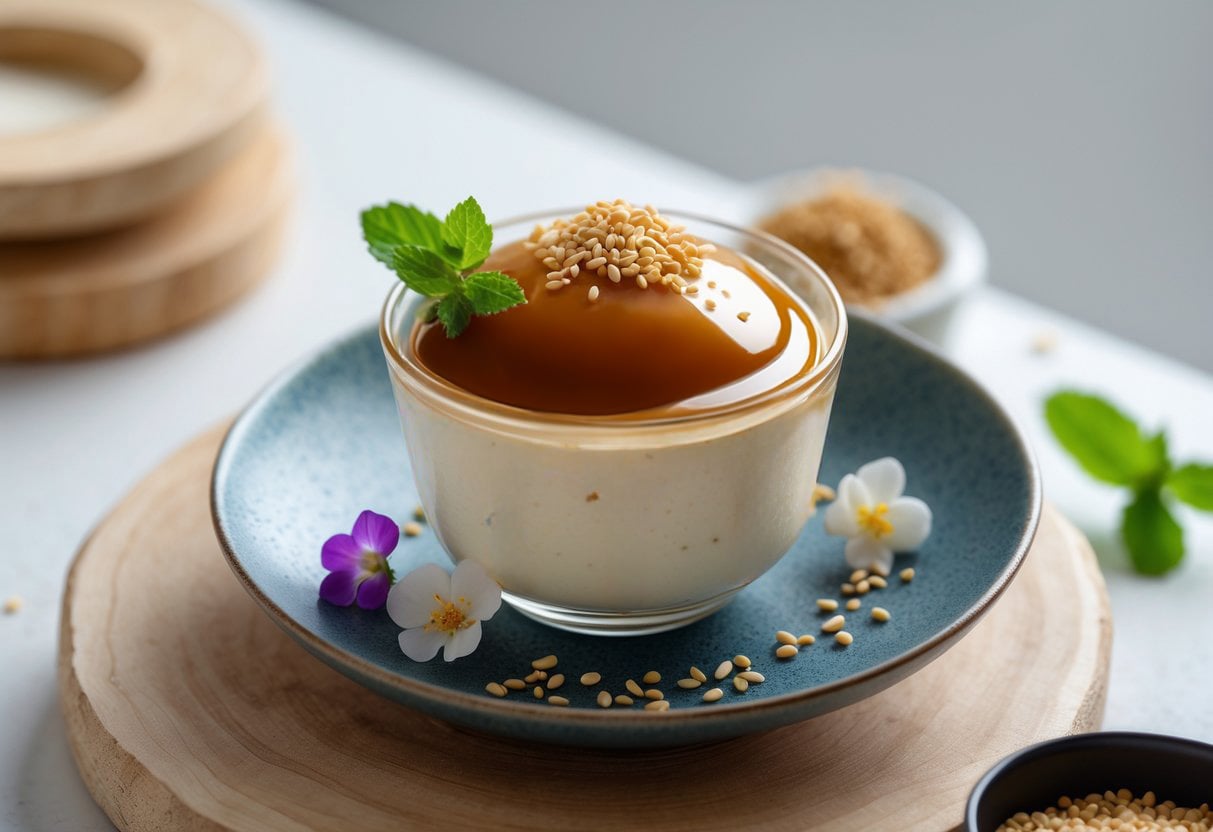
Tofu’s what gives this dessert its signature silkiness, while caramel brings in just enough balance. And honestly, you can tweak the ingredients—change up the sweetness, play with the texture, whatever fits your mood. You’ll get a feel for what makes purin stand out, pick up the basics, and, before you know it, you’ll have a new go-to dessert for your kitchen lineup.
Craving something classic? Or maybe you’re after a vegan-friendly take, or want to experiment with matcha or coffee? There’s a method here for you. I’ll walk you through the steps, toss in a few serving ideas, and hopefully you’ll find a version of this Japanese favorite that just clicks with your own taste.
Table of Contents
What Is Japanese Tofu Purin?
Tofu purin is basically a plant-based spin on Japan’s classic custard pudding—or purin as they call it. Instead of eggs and dairy, you’re working with silken tofu and soy milk, but you still get that smooth texture and caramel layer everyone loves. It’s lighter, packs more protein, and—bonus—vegans can actually eat it.
Origins and Cultural Significance
Purin’s been a staple in Japan since way back in the early 1900s, when Western-style custards like flan and crème caramel made their way over. People loved how mellow and creamy it was—just sweet enough, but not too heavy. Fits the Japanese dessert vibe, honestly.
Walk into any convenience store or café in Japan and you’ll probably see purin on the menu. The packaged stuff—like Pucchin Purin—is everywhere, but homemade versions are more of a family thing, passed down through generations.
Tofu purin came along a bit later, sort of riding the wave of plant-based eating and health trends. Swapping out eggs and milk for tofu, soy milk, and agar means you get the nostalgic purin experience, but it’s all dairy-free. Not a bad trade-off.
It also shows off how versatile tofu is in Japanese cooking. It’s subtle, blends in easily, and honestly, it’s perfect for turning a heavy custard into something lighter and vegan-friendly.
Comparison to Japanese Purin and Flan
Traditional Japanese purin is pretty close to flan or crème caramel—custard base, eggs and milk, caramel on top. The main difference? Purin is usually a bit smaller, firmer, and not quite as sweet as Western versions.
Tofu purin keeps the custard-and-caramel setup but swaps out the usual suspects. No eggs here—agar agar steps in to set the pudding. Dairy gets replaced by soy milk and tofu, and sometimes a bit of cashew or coconut milk for extra richness.
The end result? It’s lighter, less fatty, and honestly, a lot quicker to make since there’s no baking or water bath. If you’re looking for that purin flavor but can’t do eggs or dairy, this one just makes sense.
Texture and Flavor Profile
If you ask me, what really matters with purin is that silky, custard-like texture. Silken tofu is the key—it blends right into the soy milk for that soft, delicate pudding. Agar agar helps it set just enough to hold its shape, but it’s still spoon-tender.
The taste is pretty mild—there’s a gentle nuttiness from the tofu, a bit of sweetness, a hint of vanilla. Cashews can add a richer, almost eggy creaminess. And don’t skip the caramel layer—it’s got that bittersweet thing going on, so the dessert isn’t just bland or one-note.
Want to play around? Here are a few ideas:
- Matcha purin: Stir in some green tea powder for a grassy, earthy kick.
- Coffee purin: Brewed coffee in the soy milk makes it a little grown-up.
- Coconut variation: Add coconut milk for extra creaminess and a tropical vibe.
Honestly, tofu purin is a great blank canvas. Whether you stick to tradition or branch out, it’s hard to go wrong.
Key Ingredients for Tofu Purin
Tofu purin is built on just a handful of ingredients, but each one actually matters. The tofu you pick, the sweetener, how you set it—these all make a difference in the final pudding’s taste and texture.
Silken Tofu Selection
Silken tofu is non-negotiable here. It’s what gives the pudding that classic, creamy texture. Seriously—don’t try this with firm or extra-firm tofu. Those are too dense and end up grainy, which is just not what you want.
Check the label when you’re shopping. Japanese-style silken tofu is best; it blends smoothly, no weird lumps. If you’re buying from an Asian grocery, keep in mind that even “soft” tofu can sometimes be firmer than you expect.
Because silken tofu is so high in water, it’s delicate but ideal for desserts. It soaks up flavors like vanilla, caramel, or matcha. If you want to level up the richness, toss in some soaked cashews or a splash of coconut milk. Why not?
Sweeteners: Maple Syrup and Honey
Your sweetener isn’t just about taste—it changes the whole vibe of the pudding. Classic recipes use white sugar, but maple syrup or honey can make things a little more interesting.
Maple syrup brings a subtle, almost caramel note that works really well with tofu. It dissolves easily and darkens the pudding just a bit. Honey’s got a floral thing going on and is thicker, but it’s sweeter than maple, so you might want to dial it back a touch.
If you’re after something lighter, mix a bit of sugar with your maple syrup or honey. It keeps the texture smooth and lets you tweak the sweetness to your liking. Taste as you go—nobody wants a tofu purin that’s cloying.
Setting Agents: Agar and Corn Starch
This dessert needs a setting agent or it’ll just be a runny mess. Agar-agar is the go-to; it’s plant-based and sets the pudding with a clean, firm texture. But you have to heat it in liquid for a minute or two to get it to work.
Agar powder is way easier to deal with than flakes. If flakes are all you’ve got, grind them up first—otherwise, you’ll end up with lumps. Once it’s set, agar holds up even at room temp, so you don’t need to stress about it melting.
Corn starch is the other option. It gives a softer, creamier pudding—less bounce, more custard. You’ll need to chill it to keep it firm, and the texture will be a bit different, but some people actually prefer that.
Either way works. Agar’s more traditional; corn starch is a little more forgiving. Sometimes I even use a bit of both to get the texture just right.
Classic and Vegan Tofu Purin Recipes
There are basically two ways to make Japanese tofu purin: the old-school custard pudding style with eggs and milk, or a vegan version with tofu, soy milk, and agar. You still get that smooth texture and caramel, but how you get there is a bit different.
Traditional Custard Pudding Method
The classic way uses eggs, milk, and sugar. You whisk eggs and sugar, then slowly pour in warm milk and a splash of vanilla. Strain it to get rid of bubbles, then pour over caramel in little ramekins.
These bake in a water bath—low and slow. That’s what keeps the custard silky and stops it from curdling. You end up with a pudding that’s smooth, just wobbly enough, with that bittersweet caramel on the bottom.
Temperature is everything here. Too hot and the eggs scramble; too cool and it won’t set. I usually cover the ramekins with foil so the tops don’t dry out. It’s a bit fussy, but worth it.
Vegan Purin Recipe with Agar
The vegan take swaps eggs for silken tofu and cashews, which together create a creamy base kind of like custard. Soy milk adds body, agar agar powder sets the whole thing—no animal gelatin needed.
Just blend tofu, cashews, sugar, and vanilla until it’s totally smooth. Heat with soy milk and agar, simmer for a minute or two, then pour it over fresh caramel in your cups.
Let it chill in the fridge for at least a couple hours. The agar will firm things up, so you can unmold it if you want, or just eat it straight from the cup with caramel on top. Either way, it’s good.
Tips for Perfect Texture and Consistency
For caramel, don’t stir as it cooks—just swirl the pan. That way, you won’t get gritty sugar crystals. When it’s ready, splash in hot water to loosen it before pouring into molds (careful, it’ll bubble up!).
When blending the pudding base, aim for super smooth. If it’s not, strain it. Give the ramekins a tap on the counter to knock out air bubbles, too.
Want it richer? Sub in some coconut milk for part of the soy milk. Try infusing the milk with matcha or coffee for a twist. If you’re avoiding nuts, just skip the cashews and lean on the tofu and soy milk for creaminess. It’s all pretty flexible, honestly.
RECIPE: Easy Japanese Tofu Purin
This custard-style dessert is surprisingly simple to whip up at home—just a handful of ingredients and a bit of patience. Instead of eggs, it uses agar to set, so you end up with a silky, plant-based pudding that feels both light and creamy.
Ingredients (serves 4–6):
| Caramel Layer | Pudding Base |
|---|---|
| ½ cup sugar | 1 block silken tofu (14 oz) |
| 2 Tbsp water | 1 cup unsweetened soy milk |
| 2 Tbsp hot water | ¼ cup soaked cashews (15 min in hot water, drained) |
| ¼ cup sugar | |
| 1 tsp vanilla extract | |
| 1 tsp agar-agar powder (or 1 Tbsp flakes) |
Steps:
- Caramel: Toss the sugar and 2 Tbsp water into a small pan and set it over medium heat. Swirl (don’t stir!) as it bubbles and deepens to a golden brown, then—carefully—add 2 Tbsp hot water. Immediately pour into ramekins.
- Blend: Blitz tofu, cashews, sugar, and vanilla in a blender until it’s all smooth. Scrape into a pot, add the soy milk and agar, then whisk to combine.
- Cook: Bring to a gentle simmer, stirring for about 2 minutes to let the agar do its magic. Take it off the heat.
- Assemble: Pour the pudding mixture over the caramel in your ramekins. Cool to room temp, cover, and chill for at least a couple of hours.
- Serve: Dig in straight from the cup or flip onto a plate so the caramel runs over the top—your call.
Tips:
- Want it richer? Stir in 2–3 Tbsp coconut milk.
- Infuse the soy milk with matcha or coffee for a twist.
- If you’re not into cashews or need nut-free, just skip them for a lighter, simpler purin.
Creative Variations of Tofu Purin
Tofu purin is a bit of a blank canvas, honestly. You can change things up by swapping out flavors or tossing in whatever’s in season. Tiny tweaks in how you prep it can totally shift the vibe, but you’ll still get that smooth, custardy feel every time.
Kabocha Tofu Purin
Kabocha (that’s Japanese pumpkin) brings a gentle sweetness and a lush, creamy texture to tofu purin. You can steam or roast the kabocha until it’s soft, then blend it with silken tofu, soy milk, and a bit of sugar. The result? A pudding that’s a little denser and earthier than the usual plain version.
The color is gorgeous—bright orange, so it looks as good as it tastes. That slightly bitter caramel layer matches up really nicely with the pumpkin’s natural sweetness.
If you want the pumpkin flavor to really shine, just go easy on the sugar. For an extra smooth texture, strain the mix before you cook it—gets rid of any stringy bits. This one feels especially right in autumn, but honestly, if you spot kabocha at your market, why not make it any time?
Flavor Variations: Matcha, Chocolate, and More
The base recipe is super flexible. You can flavor the soy milk or blend in powders and extracts. Matcha is a classic—just whisk the powder into your soy milk before heating for a green tea purin that’s a little grassy and pleasantly bitter.
For chocolate purin, mix in cocoa powder or even a bit of melted dark chocolate with the tofu. It’s richer, almost decadent, but still keeps that silky texture. Want something lighter? Try blending in instant coffee or espresso for a café-inspired dessert.
Other ideas: add coconut milk for extra creaminess, or swap in almond extract for a nutty kick. You might want to tweak the sugar depending on your add-ins—some flavors need more, some less—to keep everything balanced.
Serving and Topping Ideas
Tofu purin is all about that creamy base, but you can really make it pop with a glossy caramel layer or fresh toppings that change with the seasons. Keeping things light and not too sweet helps the dessert feel refreshing instead of heavy.
Caramel Sauce Preparation
The caramel is what gives tofu purin its signature bittersweet edge. Here’s how I do it: pour ½ cup sugar and 2 tablespoons water into a small saucepan over medium heat. Swirl the pan (don’t stir!) as the sugar melts and turns a deep amber.
Seriously, avoid stirring with a spoon—it tends to make the sugar crystallize. Just tilt and swirl the pan around. Once you’ve got that deep color, carefully pour in 2 tablespoons hot water. It’ll bubble up, so keep your face and hands back.
Quickly pour the caramel into your ramekins or cups, tilting them to coat the bottoms. You’ll need to work fast since caramel sets up as soon as it cools. That thin layer turns into a shiny topping when you flip the purin out onto a plate.
If you like a bit more sauce, just drizzle some extra caramel over the chilled pudding right before serving. It’s a little messy, but it adds a nice punch of flavor and shine.
Seasonal and Fruit-Based Toppings
Fresh toppings can really brighten up tofu purin and keep things interesting. Try seasonal fruits like strawberries, peaches, or persimmons—the contrast with the creamy base is lovely. In summer, chilled berries or kiwi add tartness, while in autumn, poached pears or apples bring a cozy vibe.
A little citrus zest (think yuzu or lemon) gives a fresh aroma without overpowering the pudding. For crunch, sprinkle on some toasted almonds or pistachios—just a pinch, nothing too heavy.
Feeling traditional? Add a spoonful of sweetened red beans (anko) or some matcha whipped cream. Both give an earthy balance to the smooth custard. Go easy, though—toppings should complement, not drown out, the purin itself.
Mixing up the toppings based on the season or your mood keeps this dessert from ever feeling boring.
Frequently Asked Questions
Japanese tofu purin is a simple, smooth custard made with tofu, soy milk, and caramel. It’s super easy to adapt for vegan diets, play with the sweetness, and top however you like. There’s plenty of room for personal tweaks.
What are the essential ingredients for making traditional Japanese purin?
You’ll need sugar and water for the caramel. The custard itself usually calls for silken tofu, soy milk, sugar, vanilla extract, and something to set it—typically agar agar. Some recipes add soaked cashews for a creamier finish, but that’s optional.
How do you incorporate silken tofu into a custard pudding recipe?
Just blend silken tofu with sugar, vanilla, and cashews until totally smooth. Then combine that with soy milk and agar in a saucepan, heat gently to activate the agar, and pour over your caramel base. That’s pretty much it.
How does Japanese purin differ from other custard desserts like flan?
It’s lighter and less dense than flan—kind of delicate, actually. Japanese purin often skips eggs and heavy cream, using tofu and soy milk instead. The result is smooth, not too sweet, and the caramel adds a nice contrast.
Can Japanese tofu pudding be made without dairy products?
Definitely. You can make it totally dairy-free. Silken tofu and soy milk stand in for milk and cream, and agar agar works as a plant-based thickener instead of gelatin. You end up with a custard that sets perfectly, no animal products needed.
What are the steps to create a vegan version of Japanese purin?
First, make the caramel by melting sugar with water and pouring it into little cups. Then blend silken tofu, soaked cashews, sugar, and vanilla until smooth. Add soy milk and agar, heat until it just starts to simmer, and pour over the caramel. Let it cool, chill until set, and you’re good to go.
What are some common toppings or sauces served with Japanese pudding cups?
Usually, you'll find a rich caramel sauce hiding at the bottom of the cup—flip the pudding out and it just sort of spills over the custard, which is honestly the best part for a lot of people. Some folks like to throw on a bit of whipped cream, maybe some fresh fruit if they're feeling fancy, or even a little drizzle of matcha or coffee syrup for a twist. It really depends on your mood, but those are the classics.
Leave a Reply