
French custard ice cream—maybe you know it as crème anglaise ice cream—is one of those timeless desserts that feels both fancy and homey. It’s built on a lush custard base with egg yolks, cream, and real vanilla. What really makes it special? That impossibly smooth texture and the deep, honest flavor you get from slowly cooking eggs and cream together, then letting vanilla work its magic. Compared to your average American ice cream, French custard ice cream leans on eggs for that golden hue and a mouthfeel that just melts—somehow richer, somehow softer.
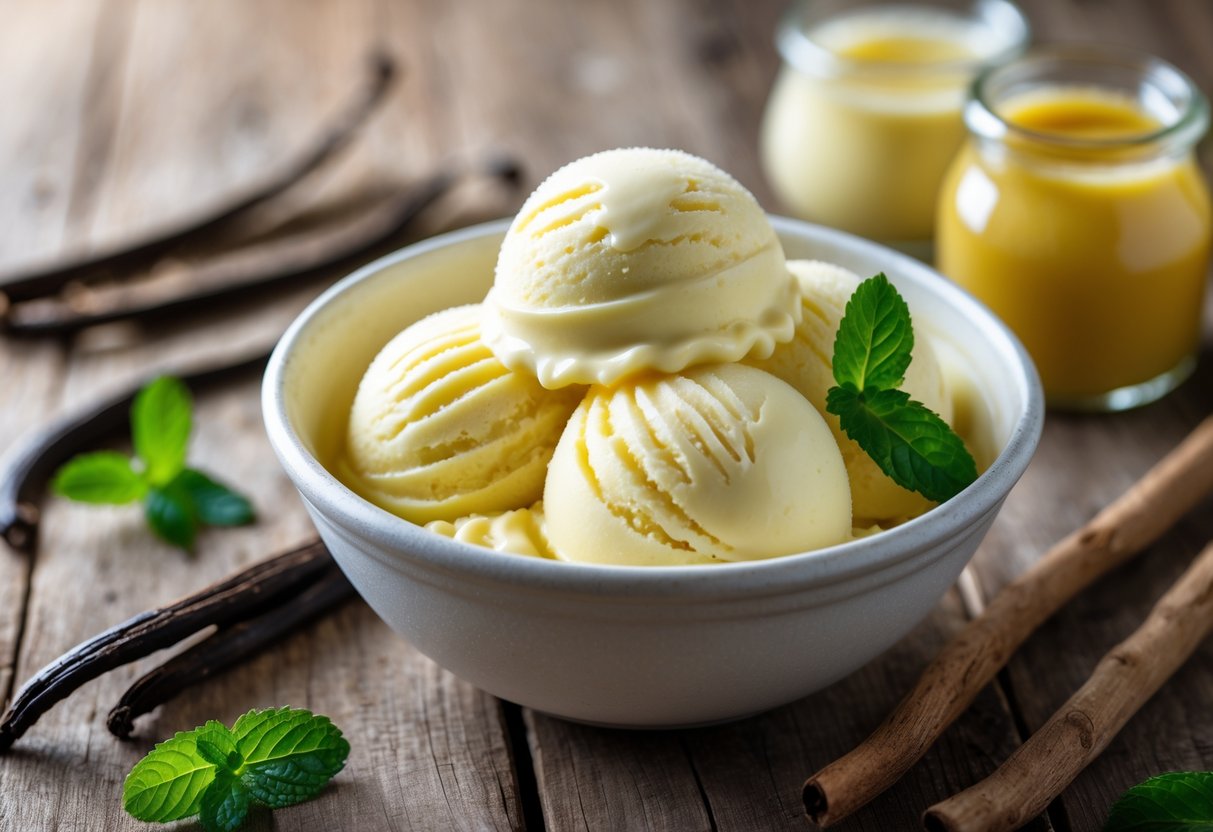
If you crave desserts that are simple but still a little indulgent, this one’s for you. It’s kind of wild how a handful of everyday ingredients can turn into something so elegant. Once you get the hang of French custard ice cream, it might just steal the show at your next dinner—or maybe it’s the treat you sneak from the freezer after everyone’s gone to bed.
Table of Contents
What Is French Custard Ice Cream?
French custard ice cream—sometimes you’ll hear it called custard ice cream or just French-style ice cream—is basically a frozen treat built on a cooked custard. It’s all about egg yolks, milk or cream, and sugar, which come together for that signature creamy, rich taste.
Differences Between French and Philadelphia-Style Ice Cream
Here’s the big split: French custard ice cream uses egg yolks, but Philadelphia-style skips the eggs entirely. For the French version, you heat eggs, milk or cream, and sugar together to make a custard, which gets churned into ice cream. That’s how you get that thick, silky texture.
Philadelphia-style, on the other hand, sticks to milk, cream, sugar, and maybe a little vanilla. It’s lighter, tastes more purely of dairy, and you don’t have to cook anything—so it’s faster, honestly. Here’s a quick breakdown:
| French-Style Ice Cream | Philadelphia-Style Ice Cream | |
|---|---|---|
| Egg Yolks | Yes | No |
| Texture | Rich, smooth, dense | Light, airy |
| Preparation | Custard cooked on stove | No cooking required |
| Flavor | Deep, creamy, custardy | Clean, pure dairy flavors |
Origins and Popularity
French custard ice cream has been around since the 1600s—apparently it first showed up as a treat for royalty and the upper crust in France. Over time, it became a staple of French desserts, and now you’ll find it everywhere from Paris to your local ice cream shop (if you’re lucky).
Vanilla was one of the first flavors ever made, and honestly, it’s still hard to beat. But once you have the hang of the custard base, you can riff on it with chocolate, coffee, or all sorts of fun flavors. The crème anglaise technique is the backbone of so many classic ice creams now—it’s kind of amazing how far it’s traveled.
Key Characteristics
So what makes French custard ice cream stand out?
- Texture: Dense, velvety, and super smooth, thanks to all those egg yolks.
- Flavor: The eggs add a richness that’s hard to describe—especially if you use real vanilla or vanilla bean.
- Color: You’ll notice a pale yellow tint, especially if you’re making vanilla. That’s the egg yolks showing off.
- Mouthfeel: The combo of cream and eggs means it’s creamy, not icy, and just glides across your tongue.
Want to try it at home? You don’t need much: just cook milk, cream, sugar, and egg yolks till thick, add vanilla, chill, churn, and freeze. You end up with something classic and decadent—pretty irresistible, honestly.
Essential Ingredients for Authentic Flavor
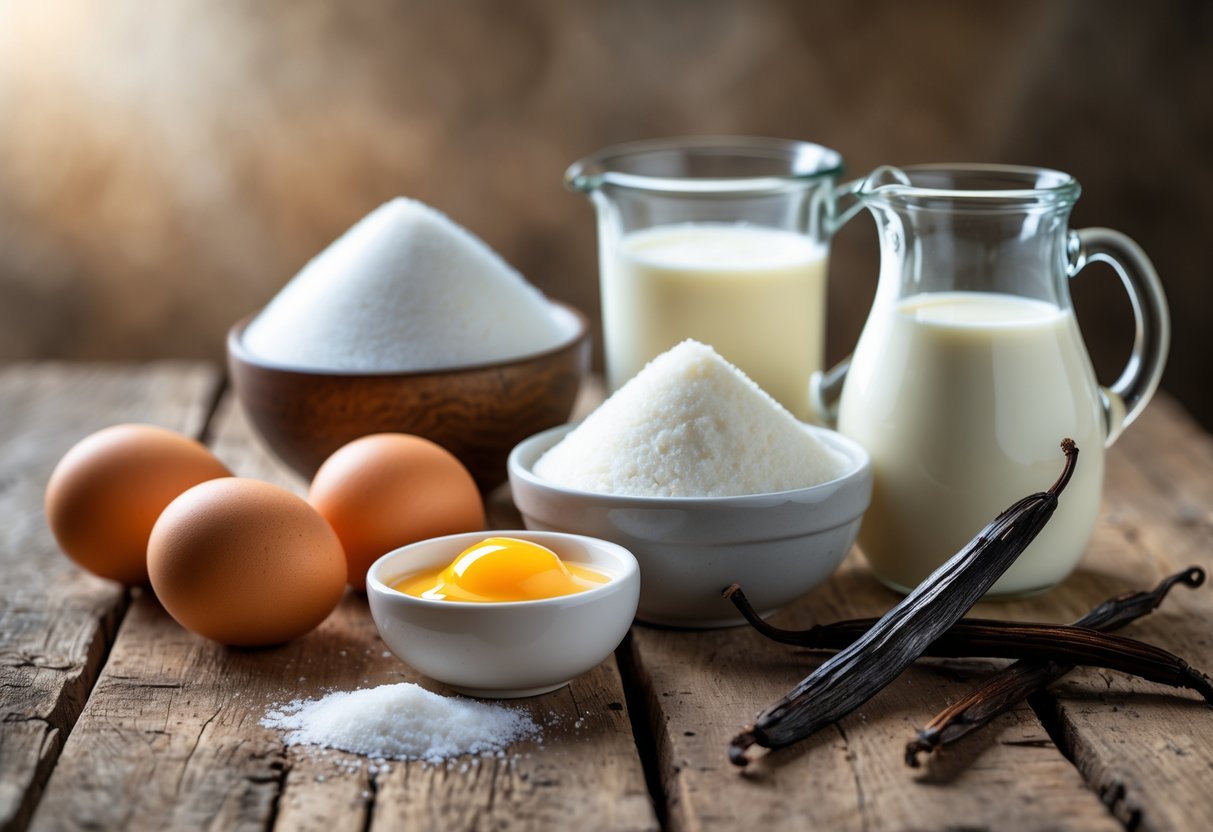
Getting that classic French custard ice cream flavor is all about choosing your ingredients with care. The right mix of eggs, dairy, sugar, and flavoring really does make the difference between good and unforgettable.
Role of Egg Yolks in Custard
Egg yolks are the backbone here. They give the ice cream that rich, creamy texture and a lovely yellow color. The proteins in egg yolks thicken everything up when you heat the base, so you get that dreamy, velvety consistency—totally different from eggless ice creams.
How many yolks? Four large ones for every three cups of liquid is a solid starting point, but if you’re chasing extra richness, go ahead and add another yolk or two.
Always whisk egg yolks with sugar until they’re pale and a bit thick. That helps dissolve the sugar and keeps the eggs from curdling later on. Don’t skip tempering—slowly add hot milk and cream into the yolks so you don’t end up with scrambled eggs. And keep the heat gentle (around 170–175°F or 77–80°C) for a silky finish.
Choosing the Right Dairy Products
Honestly, good dairy makes all the difference. Most recipes call for a mix of whole milk and heavy cream, which gives you that creamy-but-not-too-heavy vibe. Want it lighter? Use more milk. If you’re after something extra rich, just use all cream—no one’s judging.
Typical dairy combos:
| Ratio | Result |
|---|---|
| 2:1 cream | Very rich |
| 1:1 | Balanced creaminess |
Always go for the freshest milk and cream you can get. UHT or ultra-pasteurized stuff just isn’t the same—sometimes it tastes flat and can mess with the texture. If you’re using a vanilla bean, toss it in with the milk and cream as they heat up, so all that flavor infuses right in.
Sweeteners and Flavorings
Granulated sugar is the usual choice for French custard ice cream. It blends in easily and doesn’t drown out the other flavors. About ¾ cup per quart of base is sweet but not cloying—just right.
Vanilla’s the star here. A real vanilla bean gives you that classic speckled look and the best flavor, but a good vanilla extract works too. For the best result, scrape out the seeds and toss both seeds and pod into your milk and cream while they warm. Just don’t forget to fish out the pod before you churn.
A pinch of sea salt? Don’t skip it—it wakes up the flavors and keeps things from getting too sweet. You can also play around and infuse the milk with coffee beans or citrus zest if you’re feeling adventurous.
Churning and Freezing Techniques
If you want that creamy, dreamy texture in your French custard ice cream, churning is key. How you freeze and store it matters too—each step can make or break the final scoop, honestly.
Using an Ice Cream Maker
An ice cream maker is your best bet for churning the custard base. Once your custard is fully chilled (overnight is safest), pour it into the machine. Most home machines need the bowl frozen solid for at least a day unless you’ve got one of those fancy compressor models.
Follow the instructions for your machine, but usually, you’ll churn for 20–30 minutes. You’re aiming for something like soft-serve—thick and creamy, but not totally frozen. Churning adds little air bubbles and breaks up ice crystals, so you get that scoopable, silky texture.
When it’s done, move fast: transfer the ice cream to an airtight container, press parchment or plastic wrap right onto the surface, and seal it up. This keeps ice crystals at bay. Freeze for at least four hours, or until you can scoop it easily.
Freezing Without a Machine
No ice cream maker? No problem. Chill your strained custard really well, then pour it into a shallow dish or metal pan for best results.
Stick it in the freezer. After about 45 minutes, pull it out and give it a good mix with a fork or sturdy whisk, breaking up any icy bits. Put it back in the freezer, and repeat every 30–45 minutes for a few hours (three or four usually does the trick).
Keep the container covered the whole time to keep air and freezer smells out. It might not be quite as smooth as machine-churned, but honestly, it’s still delicious and totally worth the effort.
Storage Tips and Serving Suggestions
Store your finished ice cream in something airtight to keep it fresh. A wide, shallow container works best for even freezing and easy scooping. Press parchment or plastic wrap right onto the surface before you seal it up to keep frost away.
Keep your freezer set between 0°F and 5°F (-18°C to -15°C). When you’re ready to serve, let the container sit out for 5–10 minutes—just enough to soften it up so you can scoop, but not so long that it melts. For the best flavor and texture, try to eat it within two weeks (if it lasts that long).
Scoop into chilled bowls or cones, and go wild with toppings—fresh berries, chocolate shavings, or a little caramel sauce are all great. Just don’t let it thaw and refreeze over and over; that’s a fast track to icy, sad ice cream.
RECIPE: French Custard Ice Cream (Crème Anglaise Base)
To whip up a batch of classic French custard ice cream, you’ll want to round up a handful of simple, but important, ingredients. You’ll need heavy cream, whole milk, egg yolks, sugar, and honestly, real vanilla is non-negotiable if you want the best flavor. Use a vanilla bean if you can find one (it’s worth it), but vanilla extract does the trick too.
Ingredients
| Ingredient | Amount |
|---|---|
| Heavy cream | 2 cups |
| Whole milk | 1 cup |
| Egg yolks | 4 large |
| Granulated sugar | ¾ cup |
| Vanilla | 1 tsp extract or 1 bean |
Start by pouring the cream and milk into a saucepan. If you’re going with a vanilla bean, toss in the seeds and the pod. Warm everything up until it’s just steaming—don’t let it boil. Seriously, keep an eye on it.
Meanwhile, in a separate bowl, whisk together the egg yolks and sugar until it’s lighter in color and a bit fluffy. Now, here comes the tricky part: slowly add a splash of the warm cream mixture to the yolks while whisking. This keeps the eggs from scrambling (because no one wants sweet scrambled eggs in their ice cream).
Next, pour the egg yolk mixture back into the saucepan with the rest of the cream. Cook it gently over low heat, stirring constantly, until it thickens enough to coat the back of a spoon. If you used a vanilla pod, fish it out now.
Strain the custard through a fine mesh sieve—don’t skip this step, it keeps things silky. If you went with vanilla extract instead of the bean, stir it in now.
Let the custard cool down to room temp, then stick it in the fridge until it’s nice and cold. Once chilled, churn it in your ice cream maker until it’s soft and creamy. Scoop it into a container and freeze until firm. That’s it!
Want it even richer? Use more cream and less milk. And if you’re feeling creative, try infusing the milk with spices, coffee, or citrus before you mix it all together. There’s no rule against experimenting.
Best Tips to Making French Custard Ice Cream
Making French custard ice cream is all about paying attention to the details—one little misstep, and you could miss out on that dreamy, creamy texture. Good ingredients and a bit of patience really make a difference here.
Preparing the Ice Cream Base
Measure everything carefully. Use fresh, high-fat dairy—heavy cream and whole milk together give you just the right amount of richness. If you’re after a more decadent vibe, swap out some (or all!) of the milk for extra cream.
For vanilla, a split vanilla bean gives you the deepest flavor, but pure vanilla extract is totally fine too. If you have a bean, scrape out the seeds and toss both the pod and seeds into the dairy before you heat it up. That way, the flavor gets everywhere.
Warm the cream and milk slowly over medium heat, just until it’s steaming. Don’t let it boil—overheating can ruin the texture. Give it a gentle stir now and then so nothing sticks. If you want to infuse with coffee beans, citrus zest, or spices, do it now and strain them out before adding eggs.
Tempering the Eggs
Tempering is what keeps your custard smooth and lump-free. Whisk the egg yolks and sugar until they’re pale and a bit thick—it helps them mix better with the hot cream.
Pour about half a cup of the hot cream into the yolks, whisking constantly. This gently brings up the temperature and prevents any scrambled egg disasters. Keep whisking—seriously, don’t stop, or you’ll get lumps.
Pour the tempered yolks back into the saucepan with the rest of the cream, whisking as you go. This step is what keeps everything velvety.
Cooking and Chilling the Custard
Put the pan back on low heat after adding the eggs. Stir gently but don’t walk away—use a wooden spoon or spatula and scrape the sides and bottom to avoid sticking or burning.
You’re aiming for 170–175°F (77–80°C). An instant-read thermometer makes this easy, but if you don’t have one, just look for the custard to coat the back of your spoon and hold a line when you run your finger through it. Once you’re there, take it off the heat right away and remove the vanilla pod if you used one.
Strain the custard through a fine mesh sieve into a clean bowl. This catches any little cooked bits and gives you that silky texture.
Let it cool to room temp, then cover and chill in the fridge for at least 4 hours (overnight is even better). Churning super-cold custard gives you a smoother ice cream in the end.
Flavor Variations and Creative Additions
French custard ice cream is basically a blank canvas—there’s so much you can do with it. Swapping out vanilla for chocolate or adding mix-ins can totally change the vibe.
Classic Vanilla Bean and Extract
Vanilla is still the crowd favorite for French custard ice cream. A real vanilla bean gives you those little black specks and a flavor that’s hard to beat. Split the bean, scrape out the seeds, and add both pod and seeds to the milk and cream while heating. Just remember to take out the pod before churning.
No vanilla bean? No problem. Pure vanilla extract works too. Add it after you’ve cooked and strained the custard, when it’s cooled off a bit but before you chill it. This keeps the vanilla flavor bright and fresh. Both options are great, but the bean just feels a bit more special, doesn’t it?
Quick comparison for the curious:
| Flavor Source | When to Add | Result |
|---|---|---|
| Vanilla bean | Steep in warm milk | Deep, aromatic, with specks |
| Vanilla extract | After cooking/straining | Cleaner, lighter vanilla flavor |
Chocolate and Other Flavors
Chocolate custard ice cream is a breeze if you’re starting with the classic base. Just add chopped chocolate or sifted cocoa powder to the warm milk and stir until it’s all melted and smooth. For a basic chocolate version, try 3–4 ounces of bittersweet chocolate or about ⅓ cup unsweetened cocoa powder mixed in with the dairy.
Feeling adventurous? Steep the milk with coffee beans, citrus zest, or spices for 10–20 minutes, then strain them out before you go any further. Other fun add-ins: caramel, fruit purees, or even crushed cookies—just fold those in during the last bit of churning. It’s your ice cream, so go wild.
Frequently Asked Questions
French custard ice cream is all about that cooked custard base with egg yolks, which makes it so much richer and creamier than most other styles. You can totally make this at home—and if you’ve got a KitchenAid mixer or something similar, it can definitely help with the process.
What ingredients are necessary for a traditional French vanilla custard ice cream?
You’ll need 2 cups heavy cream, 1 cup whole milk, 4 large egg yolks, ¾ cup sugar, and 1 teaspoon pure vanilla extract or a whole vanilla bean.
That’s the classic combo for a custard base—what gives French ice cream its signature richness and smoothness.
How do you make French custard ice cream at home?
First, warm the cream and milk until they’re just steaming. In a separate bowl, whisk the egg yolks and sugar until thick and pale. Temper the yolks with a little of the hot milk, then combine everything back in the saucepan.
Cook gently, stirring often, until it thickens and coats the back of a spoon.
Strain the custard to make it super smooth and chill it well. Churn in your ice cream maker until it’s soft-serve consistency, then freeze until firm. That’s really all there is to it.
What differentiates French custard ice cream from other types of ice cream?
French custard ice cream uses egg yolks in the base, which makes it thicker and creamier. American-style ice cream usually skips the eggs and uses just cream, milk, and sugar, so it’s a bit lighter.
The eggs also give French custard ice cream that extra-rich flavor you just can’t get otherwise.
How does French ice cream compare to Italian gelato?
French custard ice cream has more fat—thanks to all that cream and those egg yolks—so it’s dense and super creamy.
Gelato uses more milk than cream and usually has few or no eggs, so it’s a bit lighter.
Plus, gelato is churned slower, so it’s denser but has less air whipped in than French ice cream. Both are delicious, honestly.
Can you use a KitchenAid mixer to create French vanilla custard ice cream?
Absolutely, you can whip up French vanilla custard ice cream with a KitchenAid mixer—just grab the ice cream maker attachment.
First, cook your custard base on the stove (careful not to rush it), then let it chill all the way through. Once it’s nice and cold, pour the custard into the frozen KitchenAid bowl and start churning according to the instructions.
Honestly, this setup makes it surprisingly easy to get that rich, creamy texture you want from homemade French vanilla custard ice cream. Kind of hard to go back to store-bought after trying it.
Leave a Reply