
Take a bite of a cemita poblana and you’ll get why Puebla is so proud of this cemita sandwich. A cemita’s all about that tall, sesame-seeded roll, loaded up with crispy milanesa, creamy avocado, stretchy Oaxacan cheese, and fresh papalo.
The Cemitas Poblanas (Puebla-Style Sandwich) is basically Puebla’s signature meal. This iconic Mexican sandwich consists of a sesame roll packed with fried meat, avocado, cheese, chipotle, and herbs.
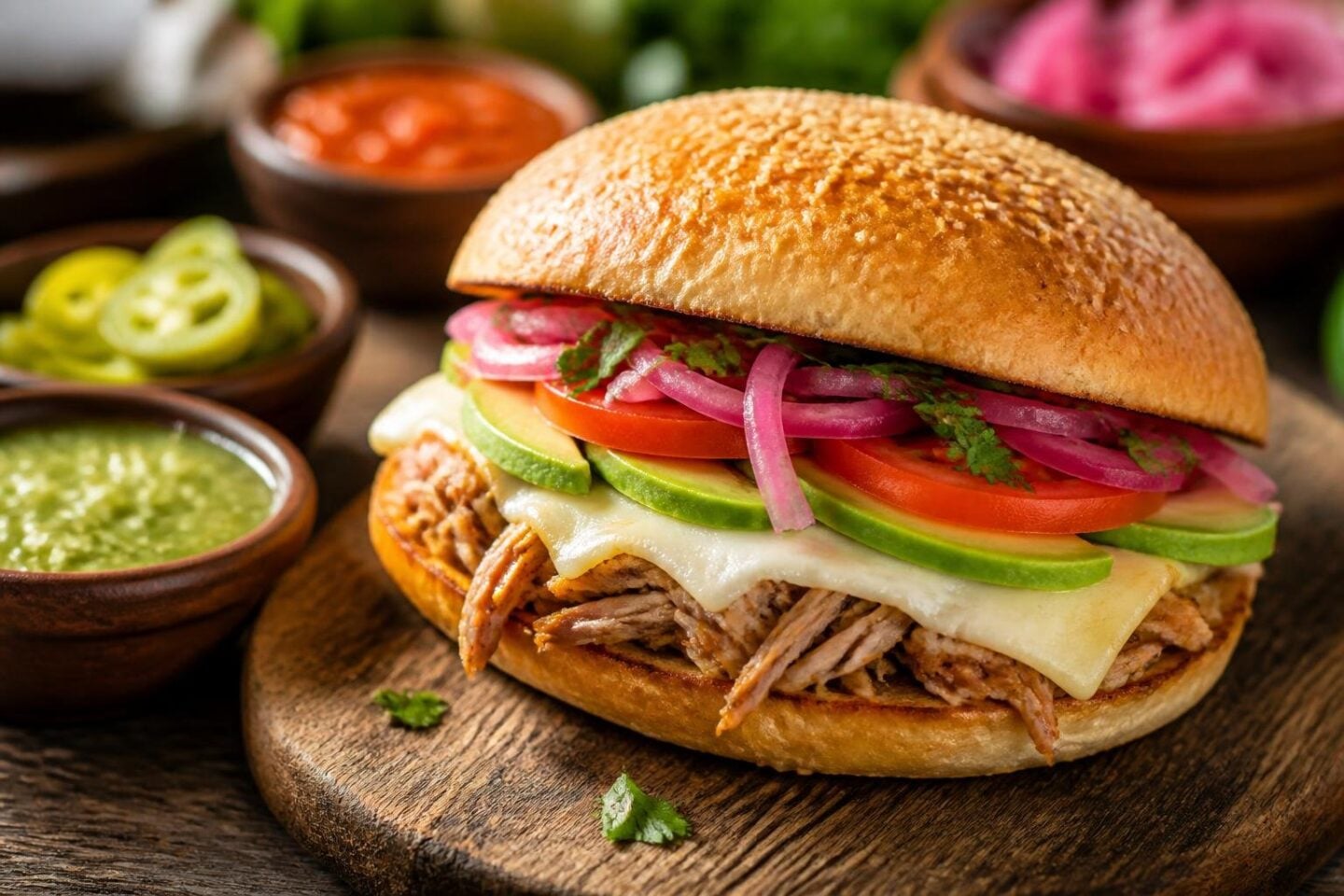
You get that crunch from the breaded cutlet, a smoky heat from chipotle in adobo, and a sharp herbal kick from papalo. The roll keeps everything together, but it’s the layers that make this sandwich so bold—and, honestly, super filling. Every bite is rich, a bit messy, and really well balanced.
Here, you’ll figure out which ingredients actually matter, step-by-step sandwich building, and a few ways to tweak this cemita poblana recipe for your own taste. There’s the classic Puebla version, but you’ll see riffs on the cemita sandwich with breaded chicken or pork too. Making it at home? The steps are clear, and you don’t need anything too fancy.
Table of Contents
Essential Ingredients and Key Flavors
A proper Cemita Poblana starts with a sesame roll, crispy breaded meat, some mild melting cheese, and punchy toppings. Every cemita sandwich depends on a balance of avocado, papalo, and chipotle chiles. Each piece really does its part for the texture and flavor.
Cemita Buns and Bread Varieties
First up is the cemita bun: round, sesame-topped, with a crust that’s firm but an inside that’s soft and sturdy. It’s gotta be able to handle all those hefty fillings without just falling apart.
In Puebla, bakeries make a slightly sweet sesame roll just for cemitas. Can’t get your hands on one? Go for a brioche roll or a sesame Kaiser roll. Just make sure the bread feels dense, not fluffy or airy.
Toast the cut sides lightly before you start stacking. It adds some structure and helps keep the bread from turning soggy right away.
What makes a good bun?
- Strong enough to hold fried cutlets and cheese without tearing
- Gives a hint of sweetness
- Stays crisp outside but soft in the middle
Types of Cheese Used
You want cheese that melts, but doesn’t drown out the meat. Queso Oaxaca—or quesillo—is the go-to. This white string cheese pulls apart in strands and melts into soft ribbons.
If Oaxaca cheese is out of reach, mozzarella (low-moisture is best) is your next best bet. It melts nicely and keeps things mild.
Some folks use queso blanco for a firmer bite and a lighter, milky flavor—no stretch, though.
Figure about ¼ cup of shredded cheese per sandwich. Layer it right over the hot meat so it gets a little melty. The cheese should play nice with the chipotle and avocado, not cover them up.
Classic Meat Fillings
The classic is milanesa: a thin, breaded cutlet fried till golden. You can use veal cutlets, beef, breaded chicken, or pork cutlets. The usual breading is flour, eggs, and breadcrumbs.
Fry the cutlets in hot oil for a few minutes a side. The outside should be crisp and brown, but the inside still juicy.
Other traditional options:
- Pierna (roasted pork leg)
- Carnitas
- Lengua (beef tongue)
Fried cutlets bring the crunch. Slow-cooked meats make things richer. Go with whatever you like, but keep the slices thin so the sandwich isn’t a mess to eat.
Distinctive Additions: Avocado, Papalo, and Chiles
Layer on avocado slices for creaminess and a mellow flavor. Ripe but still firm is key—it shouldn’t just squish out.
Add thin slices of white or yellow onions. Most people use raw onions for a sharp bite, but you’ll sometimes see tomato slices too.
A huge part of the flavor comes from chipotle chiles in adobo sauce. These smoky chipotle peppers and chipotle chiles add some heat and a deep, earthy taste. Spoon a little chipotle sauce over the meat if you want even more of that signature flavor.
Want more spice? Toss in some pickled jalapeños.
Finish with papalo (or pápalo), a bold Mexican herb. It’s strong and peppery—way punchier than cilantro. Just use a few fresh leaves so it brightens up the meat and cheese without taking over the whole thing.
RECIPE: Cemitas Poblanas (Puebla-Style Sandwich)
This cemita poblana recipe is all about a crisp cutlet, creamy avocado, and that unmistakable chipotle heat. This cemita sandwich is best when the ingredients are layered carefully. If you can score a sesame-seeded cemita roll, do it—the bread really makes the authentic pueblan-style cemita.
Ingredients (Serves 4)
- 4 cemita rolls (or brioche/sesame Kaiser rolls)
- 1 lb fried chicken milanesa or thin breaded beef/pork
- 1–2 ripe avocados, sliced
- 1 cup shredded quesillo (Oaxacan cheese) or low-moisture mozzarella
- ½ cup pickled chipotle peppers in adobo, sliced
- ½ cup pickled jalapeños (optional)
- 1 small white onion, thinly sliced
- ½ cup fresh papalo or cilantro
- Mayo or olive oil (optional)
- Salt
If making chicken milanesa:
- 2 large chicken breasts, sliced thin
- Salt and pepper
- ½ cup flour
- 2 beaten eggs
- 1 cup breadcrumbs
- Oil for frying
Instructions
- Season the chicken with salt and pepper. Dredge in flour, dip in egg, then coat with breadcrumbs.
- Fry in about ½ inch of oil over medium heat, 3–4 minutes per side, until golden and cooked through. Drain on paper towels.
- Lightly toast the rolls. Spread with mayo or olive oil if you want.
- Layer on milanesa, cheese, avocado, onion, chipotle, jalapeños, and papalo. Sprinkle with salt.
- Press the top bun down gently. Eat right away.
Best Tips for a Perfect Cemita Poblana
It’s all about crisp texture, balanced layers, and nailing your heat. Fry the cutlet just right and stack things with care—you’ll get a tall, hearty cemita with flavors that really pop in every bite.
Breading and Frying the Cutlet
Start with thin cutlets. Using chicken breasts? Slice and pound them so they’re even and cook at the same speed.
Season both sides with salt and pepper. Dredge each piece in all-purpose flour, dip in beaten eggs, then coat with bread crumbs. Press those crumbs on so you get a solid crust.
Heat about ½ inch of oil in a cast-iron skillet over medium. The oil should shimmer but not smoke. Lay the cutlet away from you—nobody likes hot oil splatter.
Fry 3–4 minutes per side, until golden brown and cooked through. Use tongs to flip gently so the breading doesn’t fall off. Let them rest on paper towels before you build the sandwich.
Assembling the Layers
Toast your sesame cemita roll lightly. You want it warm and a little crisp—not hard as a rock.
Spread on a thin layer of mayo or brush with olive oil on the bottom half. It keeps things moist and helps the bread resist sogginess.
Stack things up like this for best results:
- Fried milanesa
- Shredded quesillo (or low-moisture mozzarella)
- Avocado slices
- Thin white onion
- Chipotle peppers in adobo
- Papalo or cilantro
Put the hot cutlet right under the cheese so it softens a bit. Avocado should go in an even layer for creaminess in every bite. Press the top bun down to hold the whole thing together—it’s a tall sandwich, after all.
Tips for Achieving Golden Brown Perfection
Keep an eye on your heat. Too hot and the crust burns before the meat’s done; too cool and the breading gets greasy.
Stick to medium heat. Fry just one or two pieces at a time so the cast-iron skillet doesn’t lose temp.
Color is your friend here—look for a deep golden brown, not pale or burnt. Flip the cutlet only once with tongs so the crust stays put.
After frying, let the cutlet rest on paper towels for a couple minutes. That way, the crust stays crisp and you don’t end up with an oily bun.
Traditional Versus Modern Variations
If you’re ever in Puebla, you’ll spot the traditional cemita poblana, a true pueblan cemita with its signature tall, sesame-seed roll and a pretty strict set of ingredients. Step outside Puebla, though, and you’ll notice people start tweaking the sandwich.
Cooks might swap things in and out, working with what’s on hand or what fits their budget, but they always keep those trademark layers from the original sandwich recipe.
Classic Cemita Poblana Recipe
A traditional cemita always starts with that round, sesame-topped cemita roll. The bread’s got a sturdy crust and a pillowy middle, so it stands up to all the fillings without getting soggy or falling apart. It’s honestly kind of perfect for this job.
Most folks go with milanesa—a thin, breaded and fried cutlet (beef, pork, or chicken). Chicken milanesa is a home-cook favorite since it’s quick and stays juicy, but you’ll see all sorts.
Here’s the usual stacking order:
- Fried milanesa
- Shredded quesillo (Oaxacan cheese)
- Sliced avocado
- Thin white onion
- Pickled chipotle peppers
- Fresh papalo
Papalo is the real flavor punch here—way bolder than cilantro, a little peppery, and it’s what makes a cemita taste unmistakably Pueblan.
Smash the top bun down a bit before serving. You want a cemita that’s tall, maybe a little unruly, but with this great mix of spicy chipotle, creamy avocado, and melty cheese. It’s a mess worth making, honestly.
Mexico City and U.S. adaptations
Order a cemita in Mexico City or somewhere in the States and you’ll probably notice a few tweaks. Papalo is swapped for cilantro a lot, since papalo can be tricky to track down outside Puebla.
Other changes you might spot:
- Grilled meats instead of milanesa
- Ham or carnitas for the filling
- Oaxaca cheese replaced with mozzarella
- Mayonnaise slathered on the roll
In the U.S., it’s not uncommon to see brioche or sesame kaiser rolls standing in for cemita rolls. They do the trick, but honestly, they just don’t have that same crust or flavor.
Some menus call cemitas a type of torta, but that’s not really accurate. Tortas are all over Mexico and usually have beans, lettuce, tomato, crema—the works. A real cemita keeps things more focused: papalo, chipotle, and a handful of core ingredients.
Regional and Ingredient Swaps
Even in Puebla, there’s room to play with the protein. People go for:
- Milanesa de res (beef)
- Milanesa de pollo (chicken)
- Carnitas
- Cecina (salted beef)
Some vendors throw in pickled jalapeños for extra kick, or brush the bread with olive oil. Mayo? Sometimes yes, sometimes no—it’s up to the cook.
Cooking at home and can’t find papalo? Use cilantro, but just know it’ll be milder. No quesillo? Low-moisture mozzarella works, since it melts without turning things soggy.
These swaps don’t ruin the cemita vibe—they just help you make it work with what you’ve got in your kitchen.
Cultural Significance and Regional Roots
Cemitas poblanas are basically Puebla’s culinary calling card. They’re a mash-up of local ingredients, sandwich tradition, street food culture, and that modern Mexican spirit. There’s a lot of pride baked into every roll.
Puebla’s Culinary Heritage
Puebla’s a heavy-hitter in Mexican food history—UNESCO even called out traditional Mexican cuisine as Intangible Cultural Heritage, and Puebla’s always in that conversation.
Think about iconic dishes like mole poblano and chiles en nogada. Cemitas belong right there with them, even though they’re more street food than fine dining.
The bread itself? Total colonial legacy. Bakers in Puebla took European wheat breads and made them their own, topping them with sesame and turning out these rolls that are soft inside but still have some bite. That’s what you want for a cemita.
When you build a cemita with papalo, quesillo, avocado, and milanesa, you’re using the same stuff people in Puebla have loved for generations. The local herbs, regional cheese, and Mexican chiles all come together to give the cemita its personality.
Role of Cemita in Mexican Cuisine
Among Mexico’s sandwiches, cemita poblana is kind of in a league of its own. It’s definitely not just another torta from Mexico City.
There are some non-negotiables:
- Sesame-seeded roll
- Papalo
- Oaxacan quesillo
- Chipotle or jalapeño heat
- Plenty of avocado
Skip these, and you’re just making a different sandwich, not a cemita.
In Puebla, street vendors set up shop near markets, stadiums, festivals—you name it. Families grab cemitas for all sorts of occasions, and some stalls do nothing but cemitas all day long.
If mole is Puebla’s fine-dining superstar, cemita is the daily hero. You get it fresh, watch it built layer by layer, and eat it with your hands. That’s how food brings people together in Puebla, honestly.
Influence Beyond Puebla
These days, cemitas have made their way out of Puebla, but they still hold tight to their roots. You’ll spot them in Mexico City, or even at Mexican spots in the U.S.
As the sandwich travels, the fillings change. Some folks go with chicken milanesa instead of beef, or toss in something new. Food festivals in Puebla even get creative with unexpected meats.
Still, purists will tell you: if there’s no papalo or proper sesame roll, it’s just not a cemita. That’s the line in the sand, for better or worse.
So if you’re making one outside Puebla, you’re not just making lunch—you’re bringing a little piece of Puebla’s food culture into your own kitchen. Kind of cool, right?
Expert Tips, Serving Suggestions, and Pairings
Balance is everything. When you’re building your cemita, keep the layers clear, pair it with sides that cut through all that richness, and don’t be afraid to improvise if you can’t hunt down every traditional ingredient.
Recommended Accompaniments
Cemitas are rich—fried milanesa, avocado, cheese—so you want sides that bring crunch or a little acidity.
Try these:
- Pickled veggies (carrots, jalapeños, cauliflower—whatever you like)
- Fresh lime wedges for a bright squeeze over the filling
- Simple cabbage slaw with just vinegar and salt
- Mexican street corn (elote) with a touch of crema and chili powder
Keep drinks unfussy and cold. Sparkling water with lime, agua fresca, or a light Mexican beer work great—keeps your palate fresh between bites.
Serve the sandwich hot, right after you put it together. That warm cutlet and soft bun with cool avocado and crisp onion? Pretty unbeatable. Skip heavy or creamy sides since the cemita already brings plenty of richness.
Iconic Street Food Presentation
Cemitas Poblanas are born from Puebla’s street stalls. Vendors stack fillings sky-high and wrap them tight in paper.
Get sesame-seeded cemita rolls if you can. Toast them lightly—just enough to keep the inside soft but not soggy. Go easy on the mayo or olive oil, if you use it at all.
Layer like this for best results:
- Fried milanesa
- Shredded quesillo
- Avocado slices
- Onion
- Chipotle peppers
- Papalo
Press the top bun down so it’s tall and a bit overstuffed. Wrap it in parchment or sandwich paper and give it a minute or two to rest. That way, the cheese softens and everything melds, but your bread won’t get soggy. Trust me, it’s worth the wait.
Substitutions for Hard-to-Find Ingredients
Some cemita ingredients are tough to track down outside Mexico, but you can still make a killer sandwich by swapping smartly.
Here’s a quick cheat sheet:
| Traditional Ingredient | Substitute |
|---|---|
| Cemita buns | Brioche rolls or sesame kaiser rolls |
| Quesillo (Oaxacan cheese) | Low‑moisture mozzarella |
| Papalo | Fresh cilantro (use less) |
| Chicken or beef milanesa | Breaded pork cutlet |
Always go for sesame seeds on the rolls if you can—they really do matter for the taste and crunch.
No papalo? Cilantro’s fine, just use less since it’s milder. For heat, canned chipotle in adobo is your friend. That smoky, spicy kick is what makes a cemita a cemita.
Whatever you do, keep the essentials: breaded cutlet, avocado, cheese, chipotle, and a sesame-topped roll. That’s the soul of the cemita, no matter where you’re making it.
Frequently Asked Questions
Spotting a true cemita? Look for that sesame roll, the stacked fillings, and a bold hit of papalo (or at least some fresh herb flavor). The bread, cheese, meat, and toppings all work together for that unique taste, texture, and, yeah, a pretty hearty calorie count.
What is a cemita, and how is it different from other Mexican sandwiches?
The cemita sandwich is a specialty that hails from Puebla, Mexico, always served on this round, sesame-seed-topped roll. That bread really makes it stand out from a torta, which usually goes with a softer bolillo roll—no sesame seeds, totally different vibe.
The way you stack a cemita is almost an art. It’s usually piled high with things like milanesa, avocado, Oaxacan cheese, chipotle peppers, onion, and the herb papalo (which, honestly, is a must-try if you’ve never had it).
Unlike other Mexican sandwiches, cemitas usually skip lettuce and tomato. Instead, you get that punchy papalo and the nutty sesame roll, which together give the whole thing a pretty unique flavor.
What are the essential ingredients in a traditional cemita?
First off, you need that sesame-seeded cemita roll. There’s really no getting around it if you’re aiming for the real deal.
Then you want breaded and fried milanesa, sliced avocado, shredded quesillo, some thin white onion, chipotle peppers in adobo, and papalo. All those layers come together for that classic crispy-creamy-spicy-herbal combo.
Some folks toss in pickled jalapeños or a swipe of mayo, but honestly, the core of a traditional cemita poblana recipe is always the roll, milanesa, cheese, avocado, chipotle chiles, and papalo. Don't forget a little chipotle sauce for extra kick. That’s the heart of it.
What kind of cheese is typically used in a cemita?
Quesillo—also known as Oaxacan cheese—is the go-to. It’s got this awesome pull-apart texture and melts just right.
If you can’t track down quesillo, low-moisture mozzarella does a decent job. It’s mild, stretchy, and doesn’t overpower the other flavors.
Just skip the really soft cheeses; they’ll just make everything soggy, and no one wants that mess.
How do you make cemita bread, and what can you substitute if you can’t find it?
Cemita bread is a round roll, a little firm, with sesame seeds sprinkled on top. The dough usually has some egg in it, which makes the crumb tender and adds a hint of sweetness—not too much, though.
If cemita rolls aren’t available where you live, brioche buns or even sesame kaiser rolls can work. The key is picking a sturdy roll that can handle all those fillings without falling apart in your hands.
Toasting the bread a bit before building your cemita helps a lot with avoiding sogginess. Don’t skip that step—it really makes a difference.
What are the most popular meat options for a classic cemita?
Breaded chicken is probably the top pick for this Mexican sandwich. You take thin chicken cutlets, coat them in bread crumbs, and fry them until they’re golden and crunchy—pretty irresistible, honestly.
Beef or pork milanesa are also pretty common choices. In Puebla, you might even come across cemitas filled with meat from cow’s feet, which is super traditional (though maybe not for everyone).
Whatever meat you go with, make sure it’s thin and crispy. Thick pieces just make the sandwich tricky to eat and kind of defeat the point.
How many calories are in a typical cemita, and what affects the total?
So, a regular cemita usually lands somewhere between 700 and 900 calories. Of course, that’s just an average—things like the size of the roll or how much fried meat and cheese you pile on can swing that number up or down.
Frying, unsurprisingly, really bumps up the fat and calorie count. Toss in extra mayo, a heavy hand with the cheese, or an extra thick layer of avocado, and you’re looking at even more.
But hey, if you go for lean chicken, use less oil, and don’t overdo the cheese, you can knock the calorie count down quite a bit. Still tastes good, honestly.
Leave a Reply